
The Good Table | written by: Seán Leary, Leary’s Liquor Cabinet
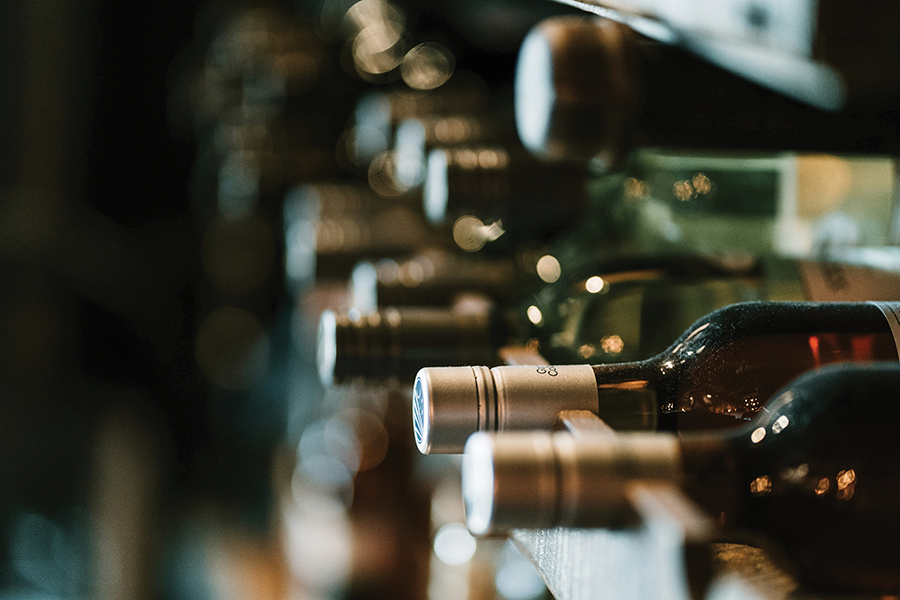
MOST PEOPLE WHO STOP INTO LEARY’s are here to buy wine. Groundbreaking insight, right? All jokes aside, it really is what we’ve become known for, and what I have learned over the years is that there are two types of wine purchases: “Wine for Now” and “Wine for Later.”
My favorite thing about this distinction is that the boundaries between these categories (wines you want to save, and wines you want to savor immediately) are so muddled—where a bottle falls is completely up to the beholder. I think one of the most important things any aspiring collector can do is determine where they personally draw the line between the two. Once you’ve drawn your line, collecting your “Wines for Later” can kick into high gear.
Deciding What to Collect
This is the hard part …and one of the most fun aspects of collecting: There are 10,000 different grape varietals currently being cultivated worldwide (that we know of), and even more individual wines made from that vast selection. So how can we narrow it down to wines we look forward to saving for a rainy day? At the start of my own collecting journey, I was faced with a similar conundrum, and I’d rather you learn from my mistakes than make them yourself!
First, an aspiring collector should explore the varietals and styles they enjoy most, and the best way to do that is to try everything. Drink a Napa Valley mono-varietal Cabernet Sauvignon beside a Cabernet Sauvignon dominant blend from Bordeaux. Try a New Zealand Sauvignon Blanc against a Loire Valley Sauvignon Blanc like Sancerre. Crack open a Chardonnay from California’s Russian River Valley to drink alongside one from Burgundy’s Côte de Beaune. The growing environment, soil composition and climactic influences (e.g. the terroir) have a tremendous impact on the finished wine, so narrowing down both the varietal and place of origin you prefer will help you nail down what exactly you plan on putting the time and effort into collecting. Actively and consciously drinking these wines not only helps an aspiring collector discern what they prefer, it also helps us tap into that higher appreciation for the wine.
During my own wine collecting journey, I realized I love Pinot Noir. The varietal fingerprint of raspberries, strawberries and bit of white pepper do so much for me. But the way those notes are expressed can change dramatically based on terroir. For example, after trying Sonoma Coast Pinot Noir from California and wines made from the same varietal in the Côte de Nuit of Burgundy, I realized I preferred the “Old World” expression of this grape. And there we have it: I found the grape varietal I loved, and the part of the world I liked the most.
Narrowing It Down
Once I found my target: red Burgundy (by law these wines must be 100% Pinot Noir, so I’ll just refer to them by their place name – as the French do!), I had to dive deep into the wine-growing villages of the region as well. Some great resources for this are the Oxford Wine Companion by Jancis Robinson (which I reference literally almost every day), Wine Folly, Wine Spectator, and Wikipedia (I find it reliable).
Similar to the vast differences created by growing Pinot Noir in continental France versus coastal California, proportionally we have smaller, yet still nuanced, differences between Pinot Noir of different Côte de Nuit villages. Explore the wines of these different villages, read as much as possible and learn as much as you can about the production, the history and tradition of those regions and towns. Best, if you can, visit region-specific tasting events to actually sample these wines side-by-side.
It’s that easy. Find the grape you like, the style you savor, the specific subregion you are fascinated by, and the producer you’d like to share a glass with!
Expanding Your Collection
It’s a simple formula really and if you want to expand the selections of your cellar to elsewhere in the world, you now have a framework to help you find your preferred wines from any wine-growing region in the globe.
Ask your favorite retailer as well for their recommendations within your parameters. Folks like us love to talk shop and having a retailer you trust to source great wines at great prices makes all the difference. Once you’ve stocked up on your favorite, find a new one, and then another, and another, and another after that! Eventually, your own basement corner cellar, home wine fridge or closet closest to your home bar will be filled with wines you’re passionate about.